
Luke SIGMUND Consultant
×
HR recruitment personality test: Big Five and MBTI
What is the purpose of a personality test in HR recruitment?
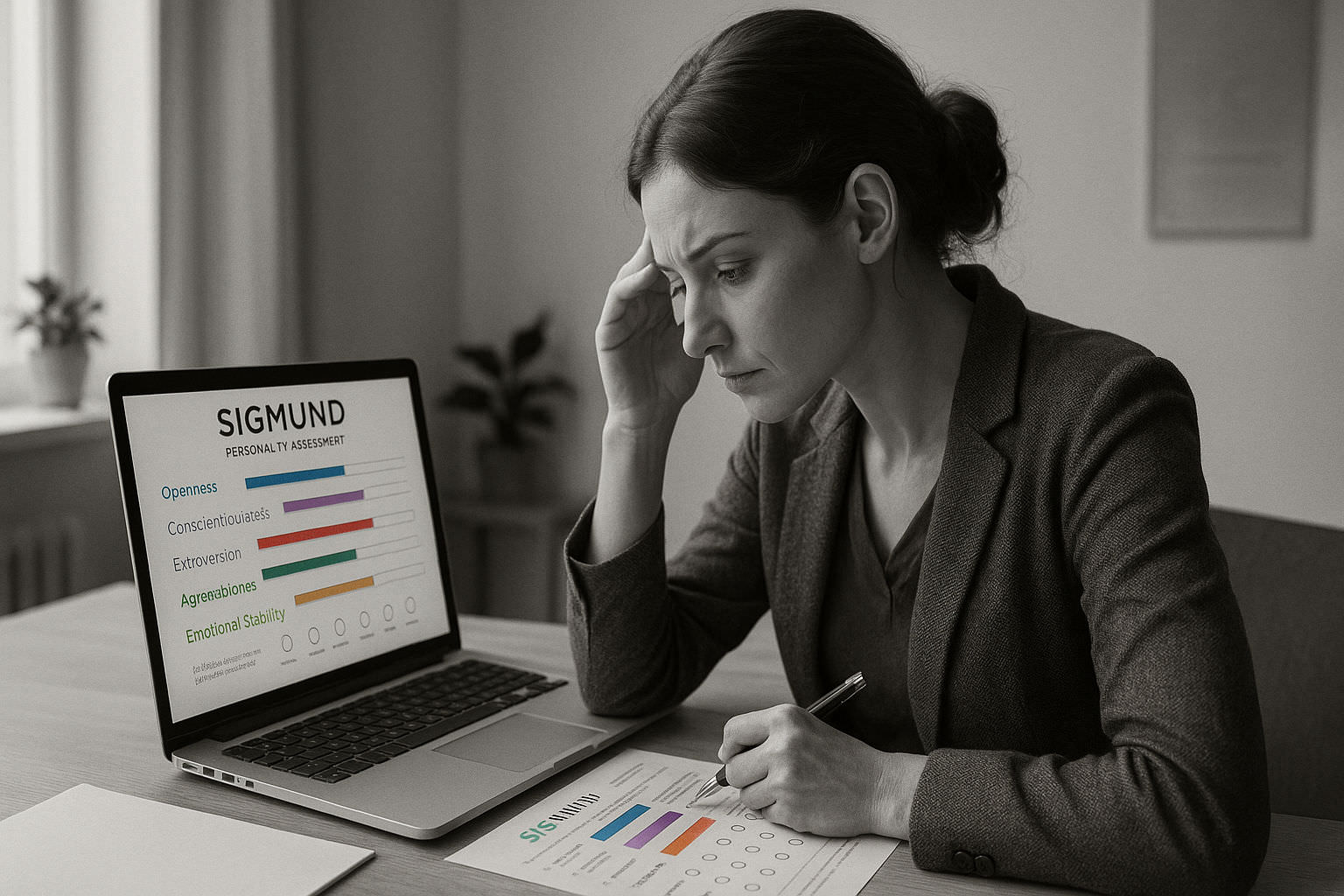
A personality test in recruitment helps HR professionals objectify behavioral dimensions relevant to the position: relational style, conscientiousness, emotional stability, adaptability, or motivation. When used properly, it complements structured interviews and aptitude tests to reduce the risk of mis-hiring without replacing human judgment. The most commonly used models in business—Big Five, MBTI, DISC, or PAPI—are not all used at the same decision-making level. The challenge is not just to administer a test, but to choose the right tool according to the position, context, and level of reliability expected.

Big Five vs MBTI vs DISC vs PAPI: What are the key differences for HR?
A personality test for HR recruitment is useful when it helps make a better decision, not when it replaces the recruiter's judgment. The correct approach is to choose the model according to the position, the level of risk of the recruitment, and the nature of the behaviors to be objectified. To delve deeper into the HR uses of the model, you can also understand the Big Five model through our dedicated guide.
| Model | Best HR Use | Strength | Area for Vigilance |
|---|---|---|---|
| Big Five | Structured recruitment, mobility, leadership | Robust scientific basis | Requires clear interpretation |
| MBTI | Communication, cohesion, development | Educational interpretation of preferences | Insufficient alone for a critical decision |
| DISC | Management, sales, customer service | Simple interpretation of relational styles | More behavioral than psychometric |
| PAPI | Professional personality at work | Highly oriented to the HR context | Requires skilled interpretation |
Best Practices and Limitations
- Do not use the test alone to decide on a recruitment.
- Cross-reference the results with the structured interview, job-specific skills, and the context of the position.
- Avoid shortcuts such as good profile / bad profile.
- Provide a clear interpretation to turn the score into a useful decision.
A reliable personality test in recruitment must first clarify what it measures, at what point in the process it intervenes, and what it does not allow to conclude on its own. It is this transparency that strengthens trust among HR, managers, and candidates.
Recruiter FAQ
Which personality test should I choose for recruitment?
Choose first according to the intended HR use: robust comparison with the Big Five, educational interpretation of preferences with the MBTI, relational styles with the DISC, or contextualized professional personality with the PAPI.
When should I use a personality test during recruitment?
The best time is usually after an initial qualification and before the final decision, to inform the interview and not to filter alone.
Is a personality test sufficient for recruiting?
No. It provides a complementary signal but should always be cross-referenced with experience, skills, the interview, and the requirements of the position.
Choosing the Right Tool
Associate each model with the right HR use rather than applying a single test to all positions.
Contextualized Decision
Combine the behavioral signal with the interview, skills, and business challenges of the position.
Responsible Interpretation
Frame the limitations of the test to avoid over-interpretations and strengthen trust.
Personality test for HR recruitment: a useful approach to improve the reliability of your recruitments, internal mobility, management, and soft skills assessment, provided you choose the right framework for use.
Create Your Account and Access Tests Starting at €50 Excl. VAT
Zero-Risk Guarantee on Your First Order.
Starting from €50 excl. VAT per test
Purchase possible from 1 test
Guarantee on your first purchase
100% Protected Transaction
Expert Support Included