
Luke SIGMUND Consultant
×
How to Ace a Behavioral Test During the Hiring Process
A behavioral test in hiring changes the game. It shows what a polished interview hides. Are you reading a performance, or a person?
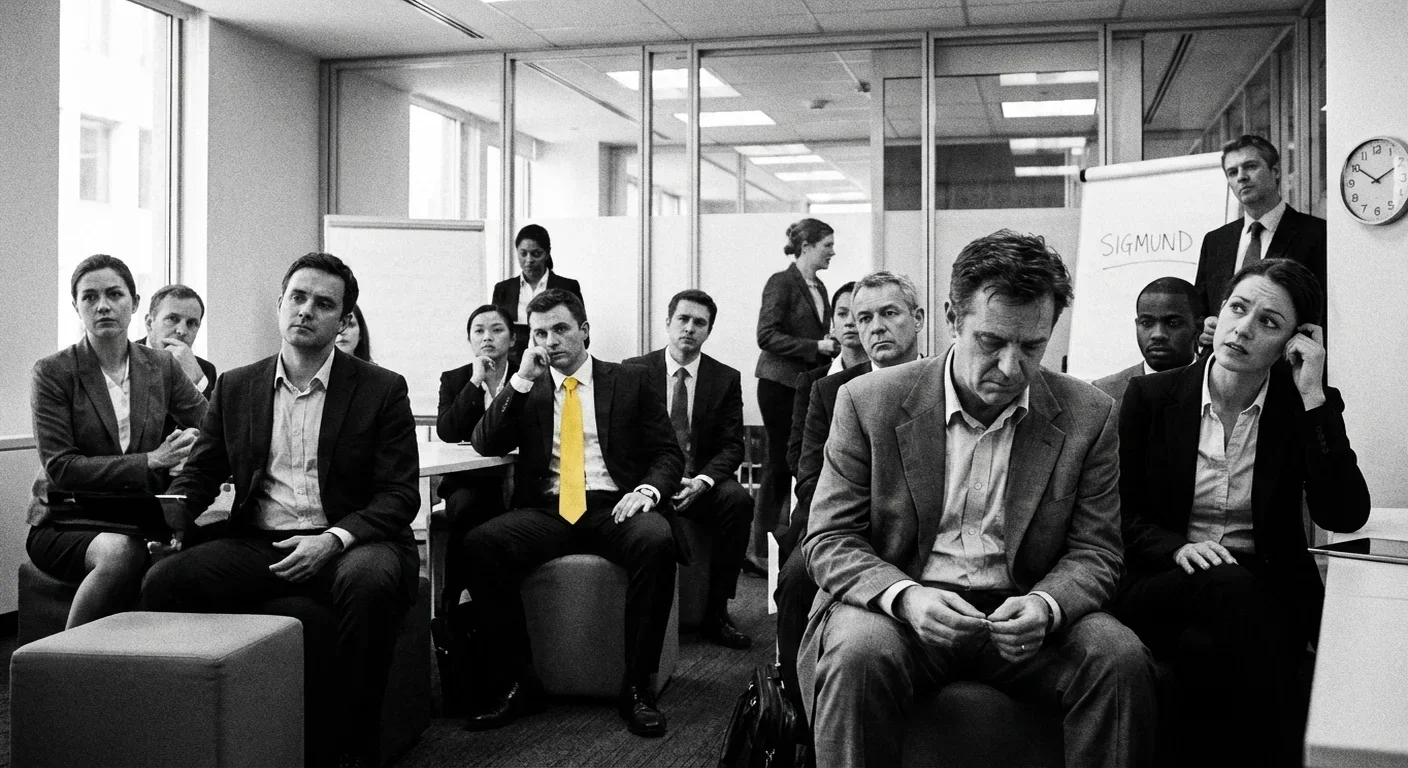
Behavioral test in hiring: why the interview alone is weak
A classic interview feels convincing. That is the trap. A candidate can prepare answers, rehearse examples, and manage every second of the exchange. You may think you are seeing confidence. You may be seeing preparation. A behavioral test in hiring gives you another lens. It shows reaction patterns, not just polished speech. It helps you read stress, decision style, and collaboration habits. That matters in real work. A person who sounds strong in a room may struggle in a team, under pressure, or during onboarding. If you hire for the story, you risk missing the signal.
In practice, the issue is simple. Interviewers often reward ease, similarity, and charm. That is human. It is also risky. Research in psychology shows how fast first impressions can shape judgment. A figure often cited in work psychology is that many hiring decisions are influenced within the first few minutes. Ask yourself this: are you selecting the best person, or the most comfortable person to talk to?
Point cle: A behavioral test in hiring is useful because it measures how someone acts when the script is gone.
That is why structured assessment matters. It reduces noise. It brings evidence into the process. It also gives hiring managers a way to compare profiles on the same basis. The result is not perfection. The result is a better decision.
What the behavior really shows
Behavior reveals patterns. Patterns are harder to fake than stories. Under pressure, people tend to repeat the same way of working. Some move fast and improvise. Some slow down and verify. Some seek group input. Some decide alone. A behavioral test in hiring can surface these tendencies before the offer is made. That helps when the role needs calm, cooperation, or strong self-management.
Think of a sales coordinator who says they love teamwork. Fine. Do they ask for help when the pace rises? Or do they shut down? Think of a manager candidate who says they coach well. Fine. Do they give feedback in a tense meeting? Or do they avoid conflict? These are not abstract questions. They affect KPI, onboarding, and team trust.
Why bias becomes expensive
Bias is not always loud. It often looks like common sense. The candidate reminds you of someone successful. The answer feels smooth. The energy feels right. That is where the risk grows. A bad hire can cost far more than the interview time you saved. HR benchmarks often place the cost of a failed hire in a wide band, and the total impact can include lost productivity, replacement time, and team disruption.
Research in occupational psychology often shows that structured methods beat intuition alone when the goal is to predict job performance.
Use that idea as a filter. What evidence do you have? What part is feeling? What part is data? That question changes the conversation fast.
Behavioral test in hiring: what it measures and what it misses
A behavioral test in hiring is not magic. It does not read minds. It does something more practical. It measures a set of stable traits and work habits that influence job performance. Used well, it can reveal style, motivation, pressure response, and likely team behavior. That makes it a strong complement to the interview. Used badly, it becomes another form to fill in. The point is not to replace judgment. The point is to ground judgment in evidence.
Common dimensions include autonomy, cooperation, emotional control, task focus, and pace. In many roles, those traits matter more than a perfect self-description. A candidate may say they enjoy ambiguity. A behavioral assessment can show whether they stay calm when plans change. A candidate may say they value teamwork. The test can reveal whether they share information or protect their own space. That is useful in onboarding, coaching, and team design.
The practical signals hiring teams want
Hiring teams usually want answers to a few simple questions. Will this person work well with the team? Will they stay steady under pressure? Will they adapt to the role? Will they ask for help when needed? A behavioral test in hiring helps answer those questions faster than a long interview thread filled with impression management.
- Use it to compare candidates on the same behavioral scale.
- Combine it with interview notes and reference data.
- Review fit with role demands, not with personal taste.
What good assessment looks like
Good assessment is clear. It is standardized. It is tied to the role. It is not a personality game with vague labels. That is where validated tools matter. The personality test page explains how personality data can support a more informed decision. For broader screening, the recruitment tests page shows how different assessment formats can help teams select with more structure.
If you want a framework accepted in practice, look at ISO 10667. It gives guidance on assessment service delivery in work settings. The message is clear. Measure well. Interpret carefully. Use the result in context.
What a behavioral test does not do
It does not replace human judgment. It does not remove the need for a real conversation. It does not tell you whether the person will succeed in every team. Context still matters. A strong profile in one culture can struggle in another. A candidate may perform well in a fast-moving start-up and less well in a layered organization. That is why the assessment should support the hiring manager, not silence them.
Attention: A behavioral test in hiring works only when the role, the score, and the decision logic are aligned.
Behavioral test in hiring with SIGMUND: a smarter first step
SIGMUND gives hiring teams a structured way to assess behavior before they commit. That matters when the role is expensive, visible, or hard to replace. If you want to go deeper than instinct, start with a tool built for that purpose. The HR assessments page is a practical entry point for teams that want clearer decisions and less noise in the process.
For a manager role, the question becomes even sharper. Can this person coach? Can they give feedback? Can they hold the line during tension? The manager assessment page helps hiring teams focus on behavior that matters in leadership roles. That is where ROI starts. Not in theory. In daily work.
A simple next step
Do not wait for a failed hire to start using evidence. Review one open role. List the three behaviors that matter most. Then compare them with your current interview questions. If the questions do not reveal the behavior, the process is weak. That is the gap a behavioral test in hiring can close.
- Define the role behavior before the interview.
- Use a validated test before the final decision.
- Compare results with real work needs.
Want a faster path to better hiring? Explore SIGMUND and use evidence early. The cost of waiting is always higher than the cost of clarity.
Explore SIGMUND recruitment testsBehavioral interview method STAR: what works in real hiring
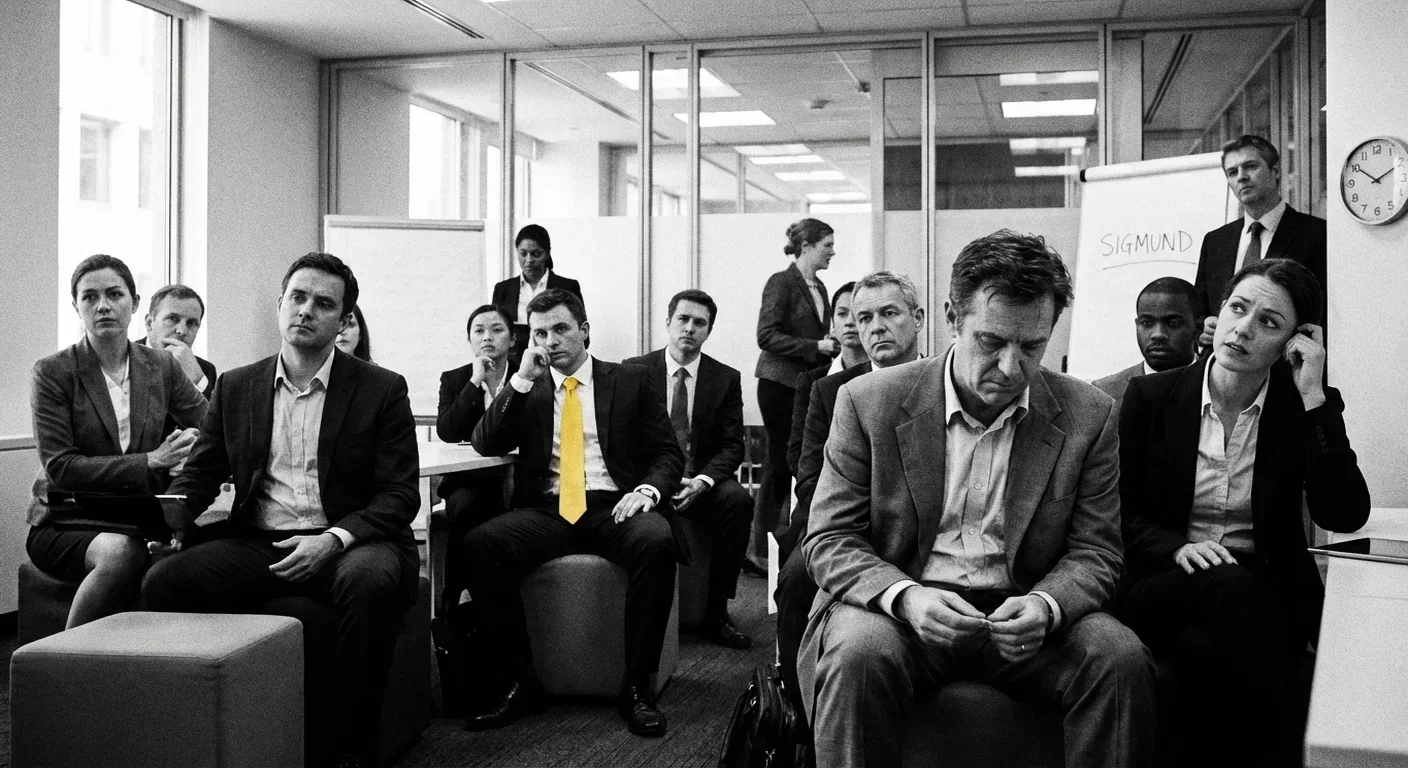
Point cle : Ask for real past behavior. Not guesses. Not theory. Real proof. That is where the STAR method wins.
The STAR method is simple. Situation. Task. Action. Result. It works because it forces facts. A person cannot hide behind vague claims when the question is concrete. What did they do? What changed? What was the result?
UCLA Career Center recommends preparing 4 to 5 examples for each key skill, with answers kept to 90 to 120 seconds. That is useful in real interviews. Short answers keep the focus on evidence. Long answers often hide weak proof. Vanderbilt University also suggests using one measurable result in 80% of answers, and giving about 60% of the speaking time to the Action part. That is where the signal lives.
How to ask STAR questions that reveal real behavior
Start with a live situation. Ask: “Tell me about a time you handled a conflict with a manager.” Then stay quiet. Do not rescue the answer. Do not lead the person toward the right story. Let the facts come out.
Then go deeper. “What was your task?” “What exactly did you do?” “What changed after your action?” This is where weak stories break. A strong answer has dates, numbers, and a clear role. A weak answer stays general. Which one helps you make a better decision?
- Use one competence per question.
- Ask for a before and after.
- Push for one number.
- Stop vague self-praise fast.
What a strong STAR answer looks like
A strong answer is not polished. It is concrete. For example: “In Q2, our onboarding process took 14 days. I redesigned the checklist, trained the team, and cut the average to 10 days in six weeks.” That is usable. It shows action, ownership, and result.
The University of California source says to use 4 to 5 examples per key skill. That matters because one story is not enough. People repeat themselves. They reuse the same case for every question. That creates blind spots. A better process builds a small story bank in advance. One case for conflict. One case for pressure. One case for coaching. One case for feedback. One case for error recovery.
Where the STAR method is weak
STAR is strong, but it is not magic. It still depends on the quality of the prompt and the skill of the interviewer. If the question is too broad, the answer becomes broad. If the interviewer does not probe, the story stays shallow. That is why structure matters.
According to the Yale Office of Career Strategy, behavioral interviews work best when the interviewer compares answers against the same framework. Same question type. Same scoring logic. Same evidence. That reduces noise. It also makes bias easier to spot. Structure protects the process.
Attention : If the answer has no action, no number, and no consequence, treat it as weak evidence. Nice words do not replace proof.
Behavioral interview scoring: how to rate answers fairly
Scoring without a common frame is just opinion. That is a problem. One interviewer likes confidence. Another likes polish. Another likes speed. The result is inconsistency. If you want better selection decisions, use one scoring grid and keep it visible.
SHRM recommends structured interview practices because they improve consistency across interviewers. The logic is simple. Ask the same questions. Score the same competencies. Compare answers against defined levels. That is how you move from intuition to evidence. It also helps during onboarding, because the promise made in the interview can be compared with real day-one behavior.
Use one score for one skill
Do not mix skills in one note. Separate communication, ownership, pressure handling, and teamwork. Then score each one on the same scale. A 1 to 5 scale is easy to use. A 3 means acceptable. A 5 means repeated proof in hard situations. A 1 means no clear evidence.
Keep the language precise. “Good communicator” means nothing. “Explains a complex task in under two minutes, with a clear example and no confusion” means something. That is what a score should capture.
Make the evidence visible
Write the quote. Write the number. Write the outcome. Not just “strong answer.” A good note can be read by another manager and still make sense. If a note cannot survive that test, it is too vague.
“Structured interviews have stronger predictive validity than unstructured interviews.” That is the core message repeated in many selection studies and guidance documents.
Use the same logic for soft skills. Soft skills are not soft in impact. They affect speed, turnover, feedback quality, and team friction. A clear score helps you compare people without relying on charm.
A simple scoring checklist
- Define the skill before the interview.
- Ask one question per skill.
- Probe for Situation, Task, Action, Result.
- Score the answer right away.
- Keep one written proof line.
This takes discipline. It also saves time later. When a hiring choice goes wrong, the problem is often not the person. It is the process. A fair scorecard reduces that risk.
Behavioral test data: numbers that change decisions
Numbers make the conversation real. UCLA says 4 to 5 examples per skill. Vanderbilt says 80% of answers should include one measurable result. It also says 60% of the answer should focus on Action. AcceleraCoach says 90% of answers should include a quantified element. Different sources, same message: more evidence, less fluff.
Those numbers matter in daily hiring. A manager says a person “seems strong.” Fine. Strong at what? In which case? With which result? When the answer includes a metric, the discussion changes. The team can compare candidates on the same basis. That is where benchmark thinking helps.
What numbers to look for
- Time saved in days or hours.
- Cost reduction in percent.
- Error reduction in count or rate.
- Productivity change in percent.
- Onboarding speed in days.
Do not wait for perfect data. Even simple metrics help. “Reduced delays from 6 to 3 per month” is better than “improved the process.” A small number is still a number.
Why numbers improve ROI
Selection costs money. Bad hiring costs more. If behavioral questions help you avoid one poor decision, the ROI is already visible. One person with weak teamwork can slow a whole team. One person with weak feedback habits can increase turnover. That is not abstract. It is daily work.
ISO 10667 is a useful reference point for assessment services because it focuses on fairness, transparency, and clear roles in evaluation. The standard is not a script. It is a reminder that good assessment needs method, not guesswork. For more structured testing options, see SIGMUND HR assessments.
What to do when a candidate has no metrics
Ask for a proxy. Ask for frequency, volume, time, or comparison. “How many cases per week?” “How long did the process take before and after?” “What did the team notice?” You are not forcing numbers. You are helping the person make the result visible.
If the person still cannot name a result, that tells you something. Maybe the work was not measured. Maybe the person was not close enough to the outcome. Maybe the story is weak. Any of those can matter.
Behavioral interview tools: when a personality test helps
A behavioral interview does not have to stand alone. It can work with other assessment tools. A personality test can add context when used carefully. It does not predict everything. It does not replace evidence. It helps you see patterns in how a person may react, communicate, or solve problems.
That is useful in roles with high team contact, repeated feedback, or strong pressure. If a person describes calm conflict handling in the interview and also shows a profile that supports steadiness, you have more to discuss. If the two signals disagree, ask more questions. That is not a red flag by itself. It is a reason to verify.
Use personality data as support, not proof
Personality data should never replace a real example. It should only help you frame the conversation. Big Five traits can help you explore consistency, openness, or emotional stability. MBTI can be used as a coaching language in some teams, but it should not carry the final decision. The final call still belongs to evidence.
If you want a broader view of candidate signals, see SIGMUND personality tests. They are useful when you want more context around behavior, not less.
A simple way to combine tools
- Start with a structured behavioral interview.
- Score the evidence.
- Add one personality or soft skills view.
- Compare both signals.
- Decide with a hiring panel.
This is not complex. It is disciplined. That is the point. Better hiring often comes from simple process done well.
When to use a manager-focused test
Leadership roles need more than confidence. They need proof of delegation, coaching, feedback, and decision quality. A manager assessment can help when the role has people impact and performance pressure. It can also help when the interview stories sound good but stay abstract.
For a role like this, explore SIGMUND’s manager test. It gives another layer of signal when the interview alone is not enough.
Behavioral interview action plan: what to do next
Do not wait for a perfect process. Build a better one now. Start with five core skills. Write one question per skill. Prepare a scorecard. Train interviewers to ask for Situation, Task, Action, Result. That is enough to change the quality of the conversation.
Then audit the last ten hires. Did the interview notes contain evidence? Did the scoring stay consistent? Did the person perform as expected after onboarding? If not, the issue is visible. And if it is visible, it can be fixed.
Your next 30 minutes
- List the five skills you hire for most often.
- Write one STAR question per skill.
- Add one scoring rule per skill.
- Decide which result numbers matter.
- Pick one extra assessment tool if needed.
If you need more structure around the wider selection process, visit SIGMUND recruitment tests. You will get tools built for practical hiring, not theory.
A final question
If two people tell you they are strong collaborators, what separates them? The answer is not the claim. It is the proof. That is why structured behavioral interviews matter. They make evidence visible. They make comparison fair. They make hiring less fragile.
Ready to transform your hiring process?
Discover SIGMUND assessment tests — objective, science-based, immediately actionable.
Discover the testsFrequently Asked Questions
A behavioral test in hiring evaluates how a candidate actually behaves in work situations. It focuses on real past actions, decisions, and results instead of polished interview answers. This approach helps employers identify job fit, reduce bias, and predict future performance more accurately.
An interview alone is weak because candidates can rehearse answers, memorize examples, and manage impressions well. That makes it hard to see real behavior. A behavioral test adds evidence from past actions, giving hiring teams a more reliable view of how someone works under pressure.
A behavioral test reduces bias by shifting attention from gut feeling to observable facts. Hiring managers assess specific actions, outcomes, and evidence using the same criteria for every candidate. This makes decisions more consistent, fair, and defensible across interviews and roles.
The STAR method stands for Situation, Task, Action, and Result. It works by asking candidates to describe a real event, what they needed to do, how they acted, and what happened next. This structure forces concrete examples and helps uncover true behavior fast.
A normal interview measures how well someone talks about themselves. A behavioral test measures what they actually did in real situations. The difference is evidence versus presentation. Behavioral testing is usually more predictive because it reveals patterns of performance, judgment, and problem-solving.
Companies can use behavioral tests to compare candidates on real examples, not assumptions. The best practice is to ask for past situations, score answers with clear criteria, and combine the results with interviews. This improves hiring quality, consistency, and confidence in every final decision.
Test your mastery of behavioral hiring interviews
Are you evaluating real workplace behavior, or still relying too much on polished answers and first impressions?
10 questions · ~2 minutes
Explore the SIGMUND Test Catalog
Discover our comprehensive range of scientifically validated psychometric tests