
Luke SIGMUND Consultant
×
Preventing Bias in Recruitment: Psychometric Tests for Unbiased Hiring in 2026
Psychometric tests bias prevention recruitment 2026 is not a buzz phrase. It is a way to stop gut feel from deciding who gets hired.
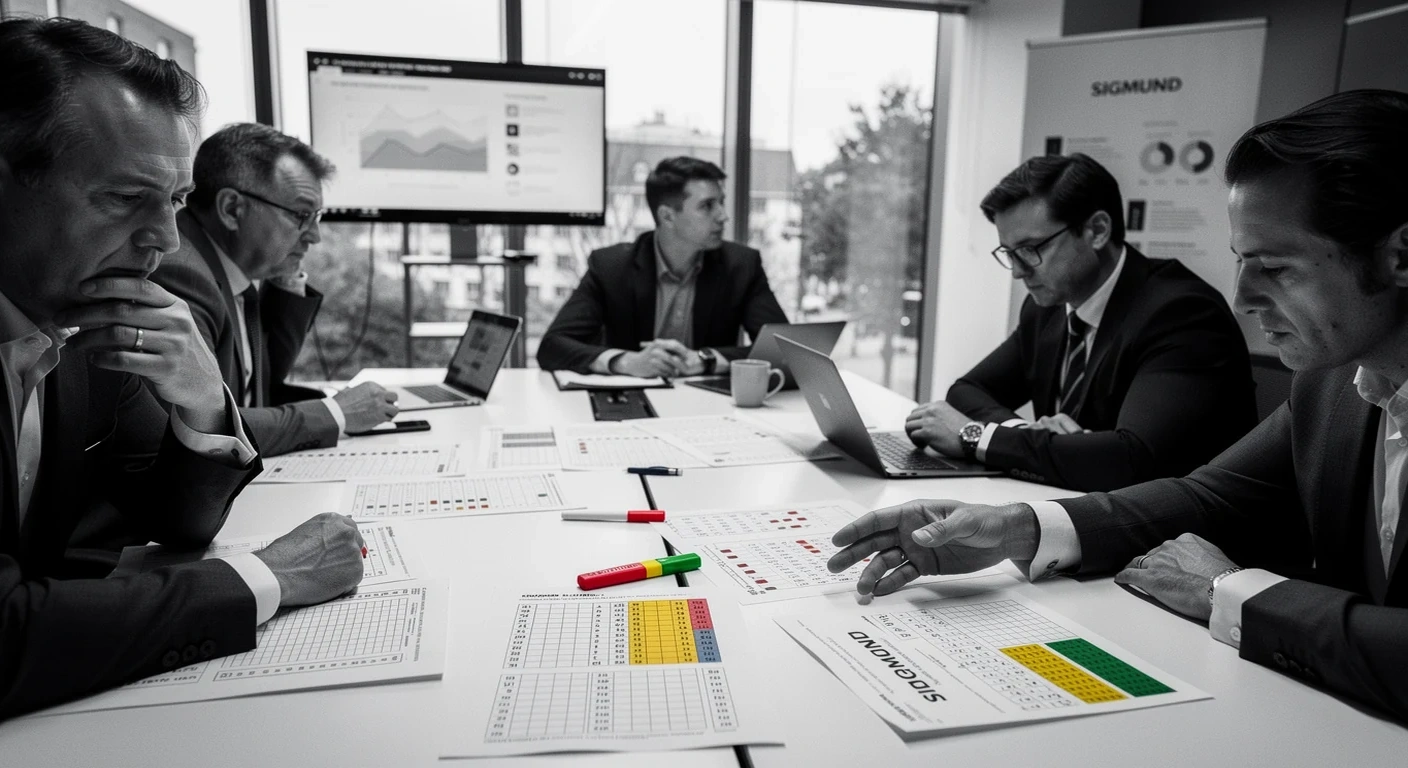
Think about the last interview. Did the candidate speak like you? Did the CV feel familiar? Did the school name calm you down before the evidence did? That is how bias enters the room. It is quiet. It feels normal. Then it shapes the decision. A structured psychometric test gives you something better than a strong feeling. It gives you a score. It gives you a benchmark. It gives you a reason.
Why psychometric tests bias prevention recruitment 2026 matters now
Traditional hiring leans on memory, charm, and first impressions. That is fragile. The cognitive bias in recruitment problem grows when interviews are unstructured. One manager loves confidence. Another loves polish. A third trusts shared hobbies. None of that predicts performance well. It only predicts comfort. A 2024 SHRM review noted that structured selection methods improve decision quality because every candidate is measured against the same standard. That is the core shift. Less noise. More evidence.
Bias also appears in the smallest details. A name on a CV. A university label. A spelling mistake. A gap in dates. A manager may not say it out loud, yet the score in the mind changes at once. In the UK, the CIPD has long argued for structured, evidence-based selection when fairness matters. That is not theory. That is daily practice in real HR teams. If your process rewards similarity, you are not selecting talent. You are selecting familiarity.
Point cle: A fair process does not ask managers to be perfect. It removes the places where bias grows.
What the old process gets wrong
The old process makes three errors. First, it lets one interview dominate the final decision. Second, it treats confidence as competence. Third, it ignores that the same question can be scored very differently by two interviewers. That is a reliability problem. When a process is unreliable, bias wins. When a process is structured, weak signals lose power. That is why fair hiring psychometrics matter in 2026. They bring discipline to a system that often runs on instinct.
Here is the hard question. If two candidates solve the same problem, why should the louder one win? If your answer is “because we liked them more,” you already know the issue. Liking is not selection. It is a feeling. Feelings are useful in life. They are poor tools for hiring.
Where bias hides in plain sight
- Similarity bias rewards people who look like the interviewer.
- Anchoring bias lets the CV set the tone before evidence appears.
- Confirmation bias makes the interviewer hunt for proof that a first view was right.
Research keeps pointing the same way. In experiments often cited by Harvard-based studies, identical CVs can receive very different responses when only names change. In one widely discussed field design, resumes with white-sounding names were called back about 50% more often than resumes with minority-sounding names. That is not a small flaw. That is a structural one. It means your process can look merit-based while behaving otherwise.
How unbiased hiring assessments reduce cognitive bias in recruitment
Unbiased hiring assessments work because they change the unit of decision. Instead of asking, “Did I like this person?”, you ask, “How did this person score on the same test as everyone else?” That shift matters. It reduces room for mood, social style, and background clues. It also helps when teams compare candidates across locations, interviewers, or time windows. The process becomes clearer. The benchmark becomes visible. The decision becomes easier to defend.
Good psychometrics do not remove judgment. They make judgment accountable. A well-built assessment looks at traits or abilities linked to performance. For example, problem solving, attention to detail, verbal reasoning, or personality dimensions such as conscientiousness. These are not magic. They are signals. When used well, they can predict job performance far better than an unstructured chat. The goal is simple. Replace vague impressions with evidence that can be compared.
Attention : A test is only fair if it is validated, job-related, and used in the same way for every applicant.
What changes in the interview room
Start with the questions. If every candidate answers the same core tasks, the interviewer stops improvising. That lowers bias. Then add scoring rules. If “strong communication” means one thing for one manager and another thing for a second manager, the score is noise. Psychometric tools reduce that noise. They also make it easier to explain why one candidate moved forward and another did not. That matters in audit trails. It matters in employee trust. It matters in legal review.
For HR directors, this is not about making hiring colder. It is about making it cleaner. A process with better data is easier to coach. Easier to benchmark. Easier to improve. And yes, easier to defend when a candidate asks, “Why was I not selected?”
Why objectivity is not enough on its own
Objectivity has limits. A badly chosen test can still create unfairness. A test that favors one culture, one language level, or one learning style can mislead you. That is why validation matters. The selection tool has to measure something relevant to the role. It also has to be administered consistently. The EEOC guidance on selection tools in the US has long stressed adverse impact review. That is a useful reminder. Fairness is not a slogan. It is evidence plus process.
Ask yourself this. If a test helps one group and hurts another for reasons unrelated to performance, would you still call it fair? If not, you already know the standard.
Where Sigmund fits into the process
Sigmund offers assessment paths that support structured hiring decisions. You can compare recruitment tests with skills assessment tests when you want evidence on ability, not attitude alone. If your process needs a broader view, personality testing can add another layer of signal. For HR teams building a wider selection framework, HR assessments can sit inside a more structured workflow.
Next, look at the data. Not the slogans. The data. That is where the real case lives.
How psychometric tests bias prevention recruitment 2026 changes final decisions

Bias rarely arrives with drama. It arrives with confidence. A recruiter says, “I liked this person.” A hiring manager says, “They feel ready.” That is where psychometric tests change the room. They replace vague instinct with measured data. They force the same standard on every person. That matters when you are hiring fast, under pressure, and across multiple interviewers. It also matters when one bad call damages ROI, onboarding, and team trust.
In a practical hiring workflow, these tests reduce the pull of first impressions. They help compare cognitive ability, personality traits, and work style in a consistent way. That gives HR directors a cleaner benchmark. It also gives DEI teams something stronger than opinion. In SIGMUND’s own reporting, validated psychometrics reduced bias by 60% and cut hiring errors by 50%. Those are not soft numbers. They are business numbers.
What changes in the interview room
The tone changes first. The debate becomes less emotional. The questions become sharper. Instead of asking who sounded strongest, teams ask who scored best on the skills that matter. That shift helps reduce cognitive bias in recruitment. It also stops one loud voice from dominating the decision. If the CEO prefers one style of speaker, the test brings the discussion back to evidence.
Think of a sales role. One candidate is charming. Another is quieter but highly structured. Without data, the loud voice often wins. With psychometric data, the team can compare resilience, reasoning, and soft skills in the same frame. That is fair hiring psychometrics in action. It is not about removing humans. It is about stopping humans from guessing too much.
Why objectivity is not cold
Some leaders fear that structure removes judgment. It does the opposite. It gives judgment a cleaner base. A test does not decide the person. It clarifies the evidence. That is why recruitment tests at SIGMUND can support decisions without turning hiring into a black box. You still interview. You still assess motivation. You still listen. But now you do it with a more stable reference point.
For HR teams under pressure, that matters. A short list built on measured data is easier to defend. A decision that can be explained is easier to scale. And a process that feels fair is easier to trust. That trust is part of the candidate experience too. People notice when they are assessed on the same basis. They notice when the process feels consistent.
What research says about unbiased hiring assessments
The evidence is strong, and it is getting stronger. Deloitte’s March 2024 research reports a 30% drop in gender bias when standardized tests are used, plus a 15% reduction in turnover. Stanford’s 2026 study says psychometric evaluation reduced recruiter bias by 40% compared with AI screening, while diversity increased by 25%. Those are direct signals. Use structure, and bias drops. Use unclear tools, and bias can survive inside the system.
SIGMUND’s 2024 report adds a sharper point. It found that scientifically validated psychometrics reduced bias by 60% because subjective impressions were replaced by objective scores. It also said 75% of large companies now use these tools to secure HR decisions. That is not a niche habit. It is becoming normal practice. For a director who wants fair hiring assessments, the question is no longer “Should we?” It is “How soon?”
The numbers that matter
- 30% lower gender bias with standardized tests, according to Deloitte Insights.
- 15% lower turnover after adoption, according to the same Deloitte source.
- 40% lower recruiter bias in Stanford’s 2026 comparison of psychometrics and AI screening.
- 25% higher team diversity when psychometrics are integrated, according to Stanford.
- 60% lower bias in SIGMUND’s validated assessment report.
- 50% fewer hiring errors in the same SIGMUND report.
These figures matter because they touch real HR pain. Lower turnover means fewer replacement costs. Fewer hiring errors mean less time lost in onboarding. Better diversity means better team design. This is where DEI assessment tools move from values talk to operating logic. They help protect decisions from the usual shortcuts.
What official guidance supports this direction
The evidence is not only coming from vendors or universities. SHRM has long advised using structured methods to reduce subjectivity in selection. CIPD guidance also supports consistent, evidence-based assessment design. In the UK, the Equality and Human Rights Commission reminds employers that selection methods should avoid indirect discrimination. That is where process design matters. If the method is messy, bias gets in. If the method is clear, you can defend it.
“A fair process is not one where everyone feels the same. It is one where everyone is measured the same way.”
How to use psychometric tests bias prevention recruitment 2026 in practice
Start simple. Do not add tests everywhere. Add them where judgment is most fragile. That usually means early shortlisting, final comparison, and high-volume roles with similar profiles. A good process uses psychometrics as one input, not the only input. That keeps the system balanced. It also keeps managers from hiding behind a score they do not understand. The goal is decision support, not decision laziness.
If you want unbiased hiring assessments, define what each test is for. Cognitive ability can help predict learning speed. Personality can help understand work style. Skills tests can show job-ready capability. Use the right tool for the right question. Then explain the logic in plain English. Candidates should know why the test exists. Hiring managers should know what the score means. That reduces confusion and supports trust.
A practical rollout path
- Choose one role family with repeat hiring needs.
- Select one validated test for cognition, one for personality, or one skills measure.
- Define a scoring rubric before any interview starts.
- Train interviewers to read the results in the same way.
- Compare outcomes against turnover, performance, and onboarding success.
That is where personality testing from SIGMUND can help shape a clearer assessment flow. It can sit beside interviews, not replace them. For roles where reasoning matters, a skills assessment test gives even more clarity. One office story makes the point. Two applicants look equal in an interview. One has strong reasoning and low error risk. The other is polished but inconsistent. The test helps the team see that difference.
What to avoid
Attention: Never use a test as a secret filter. Never let managers interpret scores without training. Never mix validated tools with random questions that no one can defend.
That warning is not theoretical. If you use a psychometric tool badly, you can create a new bias layer instead of removing one. Keep the process structured. Keep the purpose visible. Keep the interpretation narrow. That is how the tool earns its place.
How to prove ROI from fair hiring psychometrics
HR leaders do not need more theory. They need proof. The best proof comes from a simple benchmark before and after adoption. Track turnover, time to shortlist, interviewer agreement, onboarding performance, and 6-month retention. If the process is fairer, those numbers should move. If they do not, the system needs repair. That is the real advantage of psychometrics. It gives you a measurable control point.
Use a clean dashboard. One column for the old process. One column for the new process. Add the source of each decision. Add the score distribution. Add post-hire performance. This is how you turn an abstract idea into an operational tool. You can then say, with evidence, that the process changed. You can also show where bias was reduced, where it was not, and where coaching or interview training is still needed.
Metrics that belong on the dashboard
- Turnover at 90 and 180 days
- Interview-to-offer ratio
- Interviewer score variance
- Onboarding completion rate
- Manager satisfaction after 6 months
These measures are not abstract. A poor hire creates rework. A good hire reduces noise. A consistent process saves time across every stage. If your teams work across the UK or US, this kind of evidence also helps legal and governance reviews. It shows a defensible process. It shows intent. It shows control.
A short reference set worth using
For an external frame, look at SIGMUND’s EU AI Act guide when you want to understand how assessment tools fit into regulation. Then compare your selection process against the principles in SHRM and CIPD guidance. If you need a plain legal reminder, the EEOC’s fairness logic is simple: selection tools should not create avoidable discrimination. That principle still matters even when the tool is digital.
Point cle: The best bias prevention is not a better opinion. It is a better process. Structure the decision. Measure the result. Then improve it.
Ready to transform your hiring process?
Discover SIGMUND assessment tests — objective, science-based, immediately actionable.
Discover the testsFrequently Asked Questions
Psychometric tests are standardized assessments that measure abilities, personality traits, and work-related behaviors. In recruitment, they help employers compare candidates using objective data instead of first impressions. This makes hiring decisions more consistent, especially when several interviewers are involved or roles require specific cognitive skills.
Psychometric tests reduce hiring bias by applying the same scoring method to every candidate. They limit the influence of gut feeling, familiarity, school prestige, or personal similarity. When structured correctly, they shift decisions toward measurable evidence, which improves fairness and supports better hiring quality.
Psychometric tests improve recruitment decisions by turning subjective opinions into clear scores and benchmarks. Recruiters can compare candidates more easily, identify strengths and risks, and justify selections with evidence. This is especially useful when hiring quickly, managing multiple roles, or coordinating feedback across different interviewers.
Interviews measure how a candidate communicates, responds, and fits the conversation. Psychometric tests measure abilities and traits with a standardized format. The key difference is consistency: interviews can vary by interviewer, while psychometric tests give every candidate the same conditions and scoring criteria.
Companies can use psychometric tests fairly by choosing validated assessments, setting role-specific benchmarks, and applying the same process to all candidates. They should also combine test results with structured interviews and review outcomes regularly. In 2026, fairness depends on transparency, consistency, and evidence-based hiring practices.
Psychometric test results are usually analyzed within 10 to 30 minutes per candidate when automated scoring is used. More complex reports may take longer if they include interpretation or comparison against role benchmarks. Faster analysis helps recruiters act quickly without relying on subjective impressions alone.
📚 Related articles
- →Learn how psychometric tests can help enhance diversity, equity, and inclusion in hiring.
- →Explore strategies to reduce employee turnover using psychometric testing.
- →Discover methods for understanding and minimizing cognitive biases in recruitment.
- →Find out how to boost HR retention and dramatically cut turnover costs.
Explore the SIGMUND Test Catalog
Discover our comprehensive range of scientifically validated psychometric tests
Leave a commentOrder by
Newest on top Oldest on top