
Luke SIGMUND Consultant
×
Understanding Cognitive Biases in Recruitment: Mitigating Unconscious Hiring Bias
Cognitive biases in recruitment understanding starts with one hard truth. You are not as objective as you think. Your brain edits the candidate before you do.
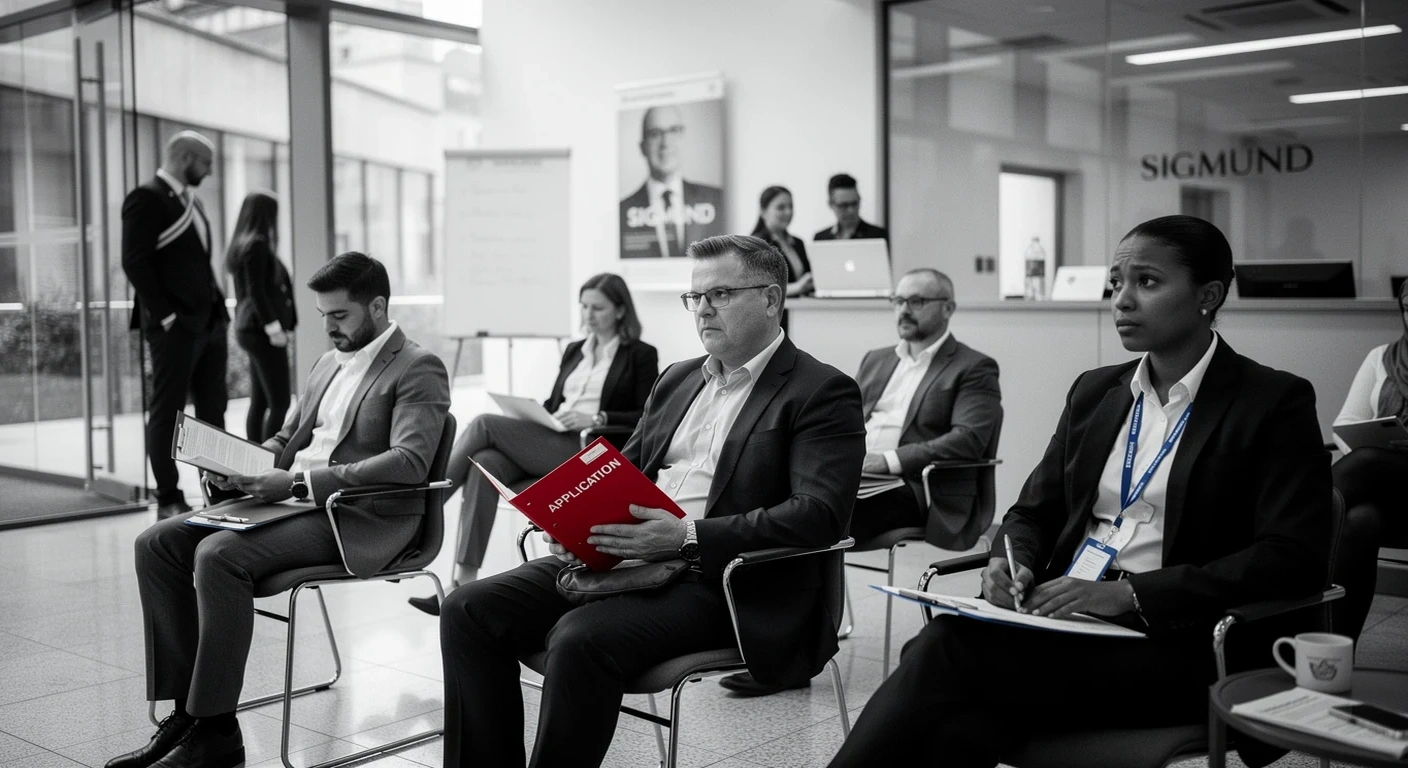
Point cle : A polished interview can hide weak evidence. A clumsy first impression can hide real talent. That is how hiring goes wrong.
What are cognitive biases in recruitment?
They are mental shortcuts. Fast. Invisible. Expensive. In hiring, they change how a CV is read, how an interview is scored, and how a final decision feels “right” even when the evidence is thin. The problem is simple. The brain wants speed. The hiring process needs proof. When those two clash, unconscious bias hiring takes over. You stop evaluating. You start reacting.
In practice, this can happen in seconds. A recruiter sees a school name and assumes quality. A CEO hears a confident voice and assumes leadership. A hiring manager likes a shared hobby and feels trust before the facts appear. Harvard research on implicit bias has shown that people can hold automatic associations without noticing them. That is not a moral flaw. It is a process flaw. And process flaws need systems.
Attention : If your interview notes rely on “good energy” or “strong presence” alone, you are already scoring the person, not the evidence.
Use a simple rule. If you cannot explain why a candidate won or lost in observable terms, the process is too loose. A strong hiring process does not remove judgment. It disciplines it. That is the point.
Why the brain takes shortcuts
Your brain processes massive amounts of input at once. So it filters. It groups. It predicts. That helps in daily life. It is dangerous in selection. A six-second CV skim is not analysis. It is pattern recognition under pressure. In a hiring room, pressure is common. A vacant role, a busy calendar, and a team that wants closure create the perfect storm.
This is why cognitive biases in recruitment understanding matters for HR leaders. The issue is not only who gets hired. It is also who gets ignored. Quiet candidates. Career changers. People with non-linear paths. They often suffer first.
What unconscious bias hiring looks like
You can spot it in ordinary moments. The interviewer smiles more at one person than another. The panel remembers the strongest speaker, not the strongest evidence. The reference call is used to confirm an existing view, not test it. That is confirmation bias in action.
It also shows up in language. “Not quite senior enough.” “A bit sharp.” “Too polished.” These phrases sound neutral. They often hide a private preference. Ask yourself this. Would you use the same words if the candidate looked like your top performer?
The main types of bias that distort hiring decisions
Some biases are obvious after the fact. Others hide inside confidence. The halo effect is one of the most common. A single strong trait spills over into the rest of the evaluation. A calm voice becomes “leadership.” A sharp suit becomes “detail orientation.” A quick smile becomes “trustworthy.” None of that proves performance. It only proves that the interviewer noticed one good signal and let it contaminate the rest.
Confirmation bias works the other way. You form a first view. Then you keep looking for proof that you were right. If the candidate feels “too junior,” every answer becomes evidence for that idea. If the candidate feels “promising,” every weakness becomes minor. The mind wants consistency. Hiring needs contradiction. That is the tension.
“People generally overestimate their ability to detect bias in themselves.” — Research on implicit bias from Harvard
Halo effect in recruitment
The halo effect in recruitment is brutal because it feels positive. That makes it hard to question. One strong trait can lift the whole profile. An elite university. A charismatic answer. A polished portfolio. Then the rest of the interview bends around that first glow. The interviewer stops testing. The interviewer starts defending the impression.
That creates risk. A candidate may speak well and still fail in execution. Another may be awkward and still deliver excellent output. The interview should separate signal from style. The halo effect blurs both.
Confirmation bias in selection
Confirmation bias in selection is quieter. It is also more stubborn. It tells you to notice what supports your first view and ignore what does not. If a candidate reminds you of a high performer, you may forgive weak evidence. If a candidate reminds you of a past disappointment, you may overreact to small flaws.
This bias is especially damaging in panel interviews. One person anchors the room. Others follow. Soon the discussion sounds objective. It is not. It is consensus around a first impression.
Other bias patterns that matter
Similarity bias rewards people who feel familiar. Horn bias lets one negative trait poison the rest. Anchoring bias locks the first signal in place. These are not rare. They are ordinary. That is why bias mitigation assessment needs structure, not hope.
- Similarity bias You prefer people who look or sound like you.
- Horn bias One weak detail shadows the full profile.
- Anchoring bias The first impression becomes the default truth.
Why bias in hiring costs real money
Bias is not just unfair. It is costly. A poor hire can damage delivery, team morale, and manager time. In many organizations, the hidden cost is larger than the visible one. You pay in onboarding delays, coaching time, and rework. You also pay in missed talent. The wrong person may be selected because they feel safe. The right person may be ignored because they feel unfamiliar.
EEOC guidance on adverse impact is clear about one thing. If a selection process produces uneven outcomes without a sound job-related reason, the process deserves review. That is not theory. It is risk control. A selection method that depends too much on instinct is hard to defend and harder to improve.
The cost of a weak decision
Replacement costs are only part of the story. The bad hire also slows the team. A manager spends extra time correcting errors. A colleague absorbs the overflow. The good candidate who was passed over may later join a competitor. That is a double loss.
Research often cited by the U.S. Department of Labor and workforce analysts places the cost of a bad hire at roughly 30 percent of first-year earnings, and in some roles far more. That number is not the whole truth, but it is enough to make one point. Small bias creates large cost.
The human cost inside the team
When selection feels random, trust drops. People notice patterns. They notice who gets a fair shot and who does not. That affects employer brand. It also affects retention. If the process feels biased at the front end, the promise of fairness later sounds weak.
Ask yourself a hard question. Would your strongest internal performer say this process is fair if they watched it from the outside?
How SIGMUND psychometric tests reduce subjectivity
Objective testing changes the game. It does not replace human judgment. It gives it a base. A psychometric test creates data that is harder to bend to mood, charisma, or resemblance. That is why Sigmund’s approach matters. It turns selection into evidence-driven evaluation. Not perfect. Better.
Tests are useful when they are linked to the role. That is the key. A personality assessment, a cognitive measure, or a soft skills tool should help answer one job-related question. Can this person do the work? How likely are they to perform in this context? What support will they need in onboarding? These are practical questions.
You can explore Sigmund recruitment test solutions when you want a more objective hiring flow. You can also review HR assessments built for structured decision-making and compare them with your current process.
What objective testing changes
It reduces room for improvisation. It gives the panel a shared reference. It helps different interviewers compare people on the same basis. That improves consistency. It also makes debriefs cleaner. Instead of debating taste, the team can discuss evidence.
ISO 10667 is relevant here. It provides a framework for assessment services in work settings. The message is simple. Assessment should be transparent, job-related, and documented. That is a strong guardrail against bias.
Why structure beats instinct
Structure slows the brain down. That is good. A scored interview guide. A clear competency model. A validated test battery. These tools reduce noise. They also make it easier to compare people fairly. When the process is clear, the halo effect has less room to grow.
If you want the next step, use objective tools early. Do not wait until the final round. Bias compounds when it stays in the process too long.
Point cle : Fair hiring is not a feeling. It is a method. The method is what protects quality, speed, and trust.
For a deeper view of assessment design, read the Sigmund HR resources. If your team also screens for behavioral signals, the personality test page is a useful next stop.
What to do before the interview starts
Bias is easiest to reduce before people speak. That means the job profile needs clarity. The competencies need to be written. The scoring model needs to be fixed in advance. If the panel decides the criteria after meeting the candidate, the process is already contaminated.
Keep it simple. Define the role. Define the evidence. Define the score. Then use the same frame for every person. That is how bias mitigation assessment becomes real. Not perfect. Real.
A short preparation list
- OK Write three job outcomes the person must deliver.
- OK Build one scoring grid before interviews begin.
- OK Remove non-job signals from early screening.
- OK Use the same questions for every candidate.
Why this matters for HR leaders
HR leaders do not need more opinions. They need cleaner decisions. That starts with process design. When hiring is structured, feedback improves, coaching improves, and the whole talent system gets stronger. That is the real ROI.
In part 2, the focus should move to practical methods. How to spot bias in live interviews. How to use tests well. How to keep decision quality high without slowing the team down.
How cognitive biases in recruitment shape hiring decisions
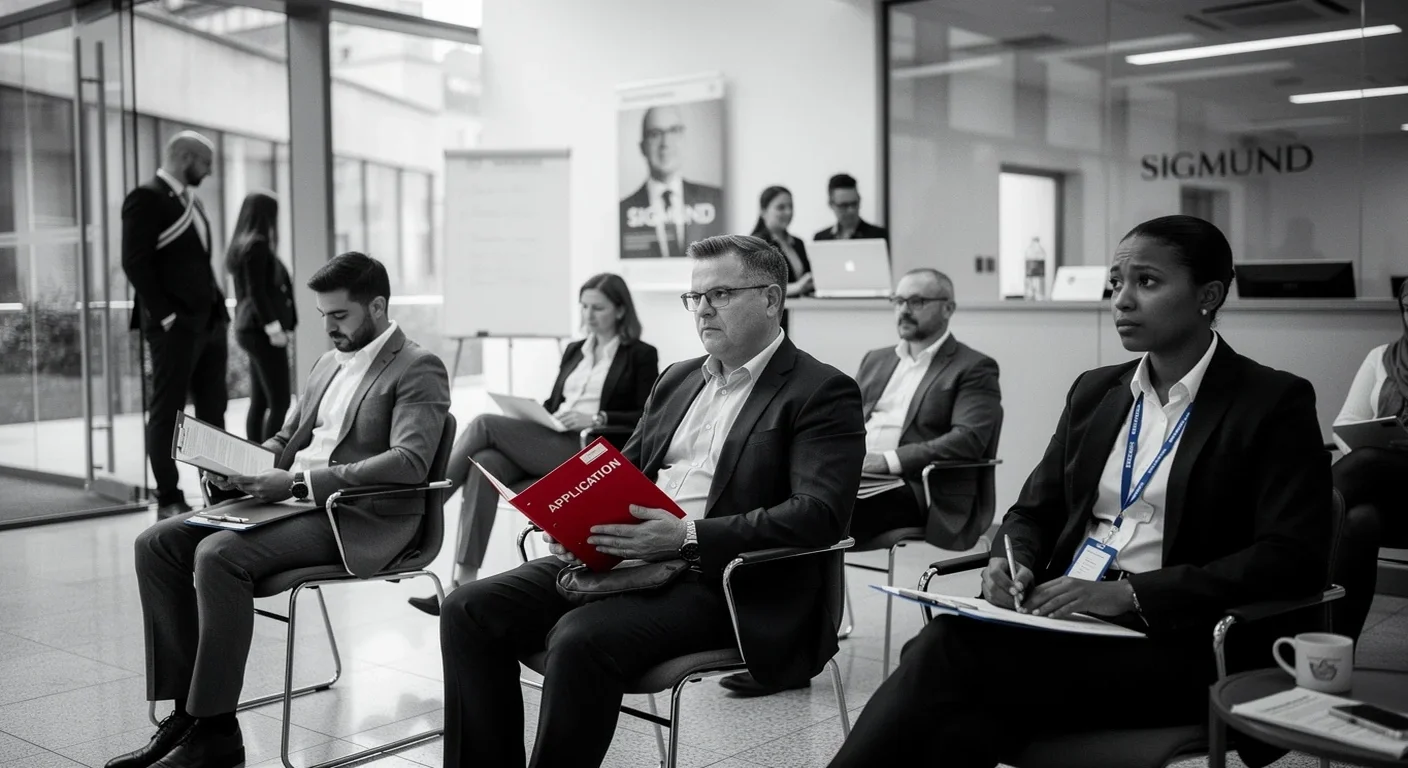
Cognitive biases in recruitment understanding starts with one hard truth. People do not assess people in a neutral way. They compare. They simplify. They protect their own certainty. That is normal. That is also risky. A strong CV can trigger the halo effect. A weak first answer can trigger a fast no. A hiring manager may feel confident and still be wrong. A recent study in Human Resource Development Quarterly shows that HR teams often underestimate their own blind spots. That is why structured evidence matters more than instinct.
In daily HR work, this shows up fast. One manager says, “She feels right.” Another says, “He looks like someone we know.” Those phrases are not criteria. They are bias in disguise. If the process is vague, bias wins. If the process is clear, bias loses ground. This is where objective testing changes the game. It gives you a common frame. It reduces personal interpretation. It supports better decisions.
Point cle: If a criterion cannot be observed, tested, or documented, it should not sit in the evaluation grid.
What are the most common hiring bias types?
Unconscious bias hiring takes many forms. The first is the halo effect. One strong trait hides weak evidence elsewhere. The second is confirmation bias. A recruiter looks for facts that support an early opinion. The third is affinity bias. People favor people who feel familiar. The fourth is anchoring. The first piece of information shapes the rest. The fifth is recency bias. The last interview feels more important than the first.
These patterns are not rare. They appear in routine decisions. A candidate who went to the same school feels safer. A person who speaks with confidence gets more credit than a quieter person. A gap in the CV gets too much weight. A smooth interview creates false trust. Ask yourself this: are you evaluating evidence, or are you reacting to comfort?
- Halo effect One strong signal colors the full judgment.
- Confirmation bias Only supporting facts get attention.
- Affinity bias Familiarity feels like quality.
- Anchoring The first signal dominates the rest.
Why does bias get stronger in interviews?
Interviews create pressure. Time is short. The recruiter wants speed. The line manager wants comfort. The role feels urgent. In that moment, the brain fills the blanks. That is where subjective bias grows. A weak structure makes it worse. Open questions invite storytelling. Free-form notes invite inconsistency. Different interviewers ask different things. The result is noise.
Harvard research on implicit bias has shown for years that people can carry hidden preferences even when they believe they are fair. That matters in selection. Belief is not evidence. Confidence is not proof. If you want a fairer process, remove the room for improvisation. Use the same questions. Use the same scale. Use the same evidence.
A biased interview often feels efficient. That is the trap.
Why bias mitigation assessment improves hiring quality
Bias mitigation assessment is not about making decisions colder. It is about making them cleaner. When you assess the right things in the same way for every person, the process becomes easier to defend. It also becomes easier to improve. A structured assessment makes weak signals visible. It reduces the noise created by charisma, similarity, or first impressions. That is useful for HR leaders who care about quality, not just speed.
The EEOC warns employers to monitor adverse impact in selection systems. That matters when a process looks fair on paper but produces uneven results. A good assessment grid helps you spot the problem early. It also helps you explain why a decision was made. Can you defend each score? Can you point to evidence? If not, the process is still too subjective.
What should a valid assessment grid contain?
A valid grid contains only job-related criteria. Nothing else. No appearance. No family situation. No vague “presence.” No personal taste. It should focus on skills, soft skills, work samples, and role-specific behaviors. If the role requires client contact, score communication. If the role needs accuracy, score precision. If the role needs team leadership, score coaching and feedback behaviors. Keep the link to the job clear.
The CNIL states that collected data must be relevant and proportionate to the role. That is a strong standard. It protects the candidate. It also protects the employer. A grid built on irrelevant data creates legal risk and bad decisions. The fix is simple. Write each criterion. Define what good looks like. Remove anything you cannot justify.
- OK Use observable behavior.
- OK Use a fixed scoring scale.
- OK Keep written evidence.
- NO Use appearance or private data.
How many data points make a stronger decision?
More than one. Always. A single interview answer is fragile. A single impression is weak. A better method combines several evidence points. For example: a structured interview, a psychometric test, and a work sample. That mix is stronger because it tests different dimensions. One person may talk well and score low on detail. Another may speak less and score high on execution. The full picture matters.
Research summaries in PubMed Central and in selection guidance from professional bodies point in the same direction. Define criteria first. Collect evidence after. Then compare like for like. This is not theory. It is a practical way to reduce error. It also lowers the chance that one dominant personality in the room steers the outcome.
How testing reduces bias in recruitment decisions
Objective testing removes guesswork. That is the core idea. A well-designed test gives the same starting point to every person. It does not care about charm. It does not reward social ease. It measures what matters for the role. That is why SIGMUND assessments are useful in biased systems. They bring structure where opinion used to dominate. They also support benchmark thinking. You compare results against a standard, not against personal taste.
This is especially useful when hiring managers disagree. One sees leadership. Another sees overconfidence. One likes the tone. Another dislikes it. A test reduces that conflict. It gives data. It gives a shared frame. It helps the team focus on actual performance potential. If you need a decision you can defend, testing is the better path.
Which tests help most?
Personality tests help when they are used with care. They are not a shortcut. They are one piece of the puzzle. Soft skills tests help when the role depends on teamwork, customer contact, or coaching. Role-specific tests help when the job needs real technical judgment. The best choice depends on the position. A sales leader does not need the same profile as a data analyst. The assessment should reflect that.
Use the result as evidence, not as a label. That is the difference between useful and lazy. A test should inform the discussion. It should not replace it. It should also be paired with job-relevant criteria. That way, you protect the process from accidental bias and from overconfidence.
Attention: A test is only useful when the role criteria are clear before the score is seen.
What does a better process look like in practice?
Start with the job. Then define the criteria. Then choose the test. Then score with the same scale for every person. Then compare results in a review meeting. Keep the notes short and factual. If two interviewers disagree, go back to evidence. Not instinct. Not mood. Evidence. That is how objective hiring becomes possible.
- Write the role criteria in plain English.
- Exclude irrelevant data from the grid.
- Use the same questions for every person.
- Score each answer with a fixed scale.
- Combine interview data with test results.
- Keep the final decision traceable.
Bias mitigation assessment best practices for HR teams
Good process design is not complicated. It is disciplined. The team needs clear criteria, one scorecard, and a simple review rhythm. The point is not perfection. The point is consistency. If every recruiter uses a different standard, bias spreads. If everyone uses the same standard, comparison becomes possible. That is where quality lives.
Consider the daily reality. One manager remembers a candidate’s energy. Another remembers a strong example. A third only remembers the final answer. That is messy. A structured process cuts the noise. It also supports onboarding later, because the hiring logic matches the job logic. You are not just filling a seat. You are setting up performance.
What should HR do first?
Audit the current process. Look at the last ten hires. Where did subjectivity enter? Which criteria were written down? Which were assumed? Which data points were irrelevant? That review often exposes simple fixes. Remove vague language. Standardize the interview guide. Train interviewers on bias awareness. Add a test where the role needs objective evidence.
Then measure the result. Track quality of hire, time to decision, and retention after 90 days or 180 days. A process that reduces bias should improve more than fairness. It should improve ROI too. If it does not, the system needs more work.
How do you keep the process fair over time?
Use regular review. Not once a year. More often. Compare score patterns across interviewers. Look for overly generous raters. Look for the same weak criteria being overused. Look for drift in the grid. Small changes accumulate fast. A clean process needs maintenance.
For further practical guidance, see SIGMUND HR assessments and SIGMUND HR resources. If you want a broader view of selection tools, explore SIGMUND recruitment tests. These pages help you build a process that is more objective, more consistent, and easier to defend.
Ready to transform your hiring process?
Discover SIGMUND assessment tests — objective, science-based, immediately actionable.
Discover the testsFrequently Asked Questions
Cognitive biases in recruitment are mental shortcuts that distort hiring judgments. They can make interviewers favor confident candidates, overlook weak evidence, or reject strong talent too quickly. These biases affect screening, interviews, and final decisions, often without the hiring team realizing it.
They affect hiring decisions by making people rely on impressions instead of evidence. A polished interview can hide weak skills, while a nervous candidate can be underrated. This leads to inconsistent scoring, missed talent, and higher hiring errors across the recruitment process.
The halo effect happens when one positive trait, such as confidence, a strong CV, or a prestigious school, makes the candidate seem better in every area. It can cause interviewers to overrate skills, ignore gaps, and make hiring decisions based on one standout detail.
Confirmation bias in recruitment is the tendency to look for evidence that supports an early opinion about a candidate. If an interviewer likes someone after the first minute, they may notice only strengths and dismiss warning signs. That leads to poor, self-reinforced hiring judgments.
Objective testing reduces hiring errors by measuring skills with the same criteria for every candidate. It creates comparable data, limits gut feeling, and helps interviewers focus on performance instead of personality. Used well, it improves consistency and lowers the risk of biased decisions.
Understanding cognitive biases in recruitment is important because better awareness leads to better hiring quality. It helps teams spot halo effect, confirmation bias, and other distortions before they influence decisions. That means fairer assessments, fewer costly mistakes, and stronger long-term hires.
📚 Related articles
- →Explore strategies for mitigating cognitive biases in recruitment processes.
- →Analyze cognitive biases specifically in B2B recruitment and discover HR solutions.
- →Learn effective strategies to reduce cognitive bias in hiring and recruitment.
- →Compare psychometric assessments with AI screening through recent insights from research.
Explore the SIGMUND Test Catalog
Discover our comprehensive range of scientifically validated psychometric tests