
Luke SIGMUND Consultant
×
Unlock Talent with a Free DISC Test for Hiring and Recruitment Success
A free DISC test for hiring can save a bad decision. What if the real issue is not skill, but behavior?
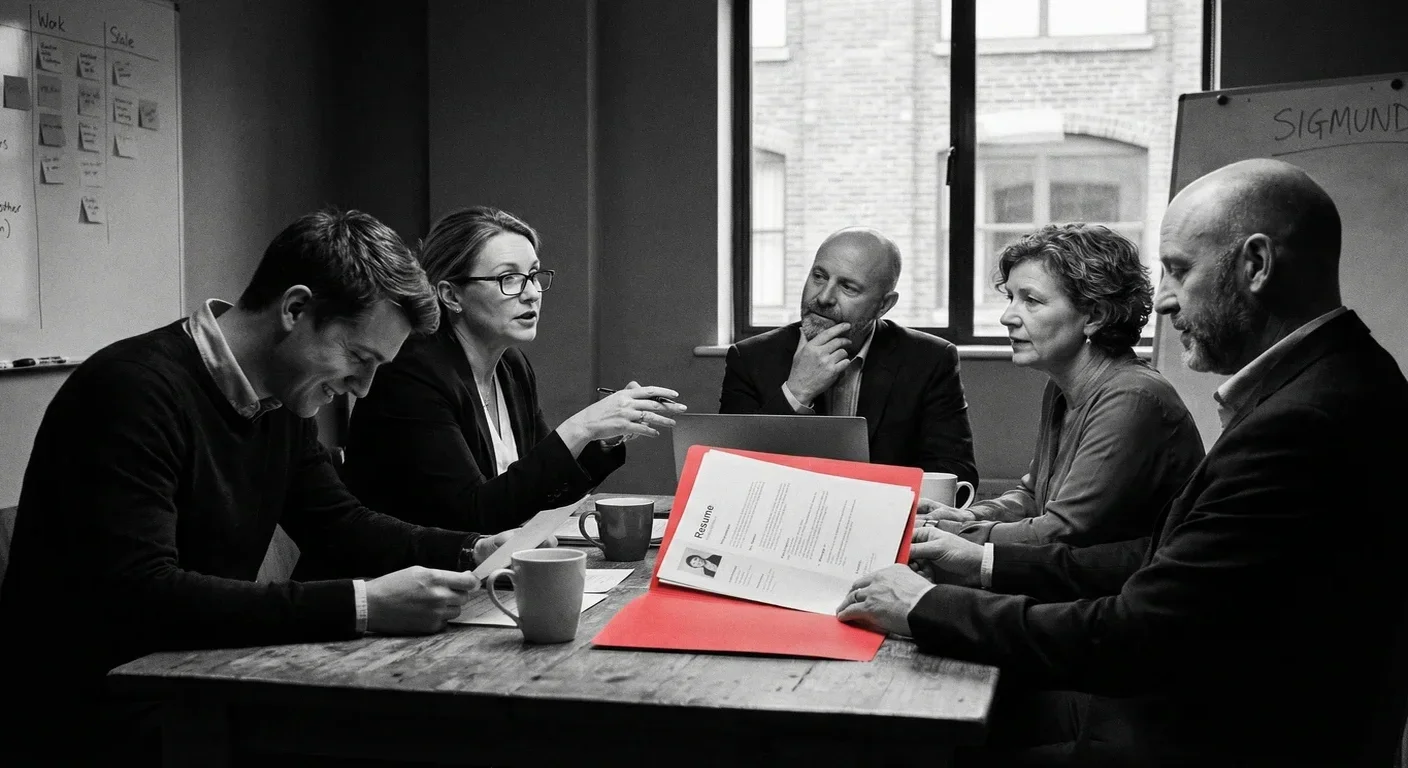
Free DISC test for hiring: what it really measures
A free DISC test for hiring does not measure intelligence. It does not measure technical knowledge. It shows behavioral style at work. That is the point. You are not asking, “Can this person do the task?” You are asking, “How will this person act under pressure, in a team, and in front of a client?”
DISC uses four styles. D means direct action. I means influence and communication. S means steadiness and support. C means accuracy and process. No style is better. The real question is simple. Which style helps this role succeed? A sales lead may need more D and I. A compliance role may need more C. A support role may need more S.
In a hiring process, that matters fast. A 30-minute interview can hide behavior. A free DISC assessment for HR talent management can reveal it sooner. That is why many teams use it as a first screen, then add interview, feedback, and reference review. The test does not replace judgment. It sharpens it.
Point cle : A DISC profile is useful when you use it as evidence, not as a label.
- Look for decision pace.
- Look for conflict response.
- Look for detail focus.
- Look for teamwork style.
Why HR teams use DISC before the interview
HR teams want fewer surprises. That is the real use case. A candidate may sound strong in interview mode and still struggle in a fast team setting. DISC helps you ask better questions. It gives structure to the conversation. It helps you compare people on behavior, not on charm alone. That matters in the UK and the US, where fair, role-based assessment is a practical need. It also supports consistency when the hiring manager wants “a good fit” but cannot define it.
For context, the recruitment tests page shows how behavioral tools can sit beside interview stages and skills checks. Use the test to guide a deeper discussion. Do not use it as a verdict. That is the line.
What the four DISC styles can tell you
D often signals speed, directness, and a results-first mindset. I often signals energy, persuasion, and social ease. S often signals patience, reliability, and calm delivery. C often signals structure, precision, and rule awareness. In daily HR work, these clues help. Think of a new manager who shuts down conflict. Think of a finance hire who loves detail but resists quick change. Think of a sales rep who wins attention, then needs support on follow-through.
“Behavioral assessment is most useful when it helps you ask better questions, not when it tries to replace judgment.”
For a broader view of employee profiling, see the personality test page. It can help when you want a wider view than DISC alone. The key is to keep it practical. Does the result help you hire, onboard, coach, and lead better?
How a DISC assessment HR talent management process improves decisions
A DISC assessment in HR talent management works best when the process is clear. First, define the role. Then define the behavior needed. Then compare the test result with interview evidence. That order matters. If you start with the score, you may see what you want to see. If you start with the job, you stay grounded. That is cleaner. That is fairer.
There is also a compliance angle. In the US, the EEOC expects selection methods to support equal treatment. In the UK, ACAS guidance points employers toward fair, consistent practice. A behavioral test is not a legal shield. It is one more data point. Used well, it can reduce bias in the room. Used badly, it becomes a shortcut. Which one do you want in your process?
Attention : A free personality test for recruitment is never enough on its own for critical hiring decisions.
Where the free version helps most
A free version is useful for early screening, team reflection, and manager coaching. It is also useful when a team wants a fast benchmark before a bigger selection stage. Some free tools use about 24 questions and take around 10 minutes. That is enough to start a useful discussion. It is not enough for every role. For senior hiring, the stakes are higher. The interpretation has to be stronger.
Industry research often supports this logic. Aberdeen Group reported that organizations using behavioral assessments in selection reduced early turnover by up to 36%. That number matters. Early turnover is expensive. It hurts onboarding, team trust, and ROI. One weak hire can affect a whole quarter.
What good use looks like in real HR work
Imagine a team lead role. The candidate looks polished. The interview feels easy. The DISC result shows low patience and high directness. That is not a bad result. It is a clue. The next question becomes: can this person lead a stable team, or will they create friction? Now the interview becomes sharper. You are no longer guessing. You are testing a real workplace behavior.
Now imagine a support role. The person shows strong steadiness and high accuracy. That may be exactly what you need. But if the job also requires frequent change and fast response, you now know where the pressure point may sit. That is the value. It helps you place people well.
Free DISC test for hiring: what to expect from a usable tool
Not every free DISC tool is equal. Some give a weak score with no context. Others give a clear profile you can actually use. You want clarity. You want a short report. You want language a manager can understand. If the output is too vague, it will not help selection, coaching, or onboarding. If it is too complex, nobody will read it.
Look for a tool that explains the four styles in plain English. Look for role language. Look for practical notes on communication, pressure, and teamwork. That is what turns a test into an HR asset. For a practical example of a wider testing stack, the HR assessments page shows how different tools can support selection and development.
When free is enough
Free is enough when you are exploring a role, briefing a manager, or preparing a coaching session. It is also enough when you want a first pass before a deeper process. It is not enough when the role is high risk, highly regulated, or sensitive to conduct and pressure. In those cases, use a professional version with stronger interpretation and a tighter process.
Think of it this way. Would you hire a finance manager on a single conversation? Would you trust a manager promotion on instinct alone? The test is a tool. Not a final answer. Used with interview, feedback, and benchmark data, it becomes much more powerful.
How do you turn DISC results into hiring action?
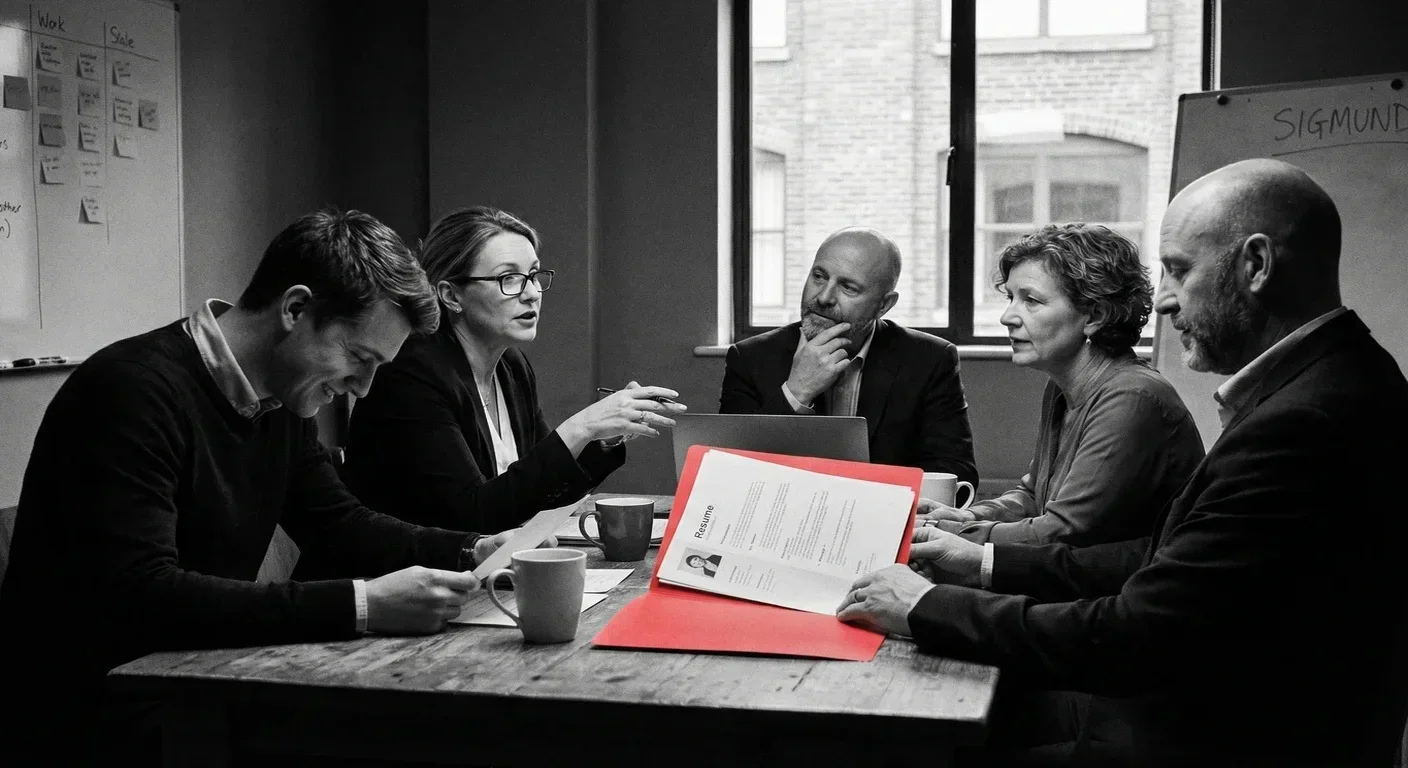
A DISC report has no value if it sits in a folder. Real value starts when the recruiter acts on it. Who needs a direct hire signal? Who needs coaching? Who needs a second interview focused on behavior under pressure?
Keep the process simple. Send the test. Read the report. Compare the score pattern to the role profile. Then make a decision. That is the whole game. No manual copy-paste. No spreadsheet drama. No lost time.
Use the report in the first interview
Bring one or two behavior points into the conversation. Ask how the person handles conflict. Ask what happens when priorities move fast. Ask how they work in a team when the pressure rises. That is where the test becomes useful.
- OK Use the report to prepare one behavior question.
- OK Compare the answer to the role profile.
- OK Record the result in the candidate file.
In the US, the SHRM guidance on selection methods points in the same direction. Use structured evidence. Use the same process for every person. That protects fairness and makes the decision easier to explain.
Use the same method in onboarding
Do not stop at hiring. A DISC profile helps during onboarding too. A high-D person may want direct goals on day one. A steadier profile may need time, context, and clear rhythm. That is practical. That is usable. That saves friction in the first 30 days.
A good assessment does not replace judgment. It sharpens it.
For a wider view of assessment tools, see SIGMUND HR assessments. You can also compare it with the SIGMUND personality test if you want a broader behavioral view.
Why does automation matter in DISC assessment HR?
Manual steps create delays. Delays create noise. Noise creates weak decisions. Automation removes that mess. The recruiter sends the test. The candidate completes it. The system returns the report. The file stays clean. The version stays visible. The date stays visible. The result stays visible.
This matters for audit trails. It also matters for speed. According to ISO 10667, assessment processes should be reliable, transparent, and linked to clear job requirements. A platform that tracks version, date, and result supports that logic in a practical way.
Automate the right steps
Do not automate judgment. Automate the mechanics. Let the platform send the test, collect the data, and build the report. Then let the recruiter make the call. That is the clean split.
Think about a busy team hiring five people in one week. One admin task per person becomes ten extra actions fast. Automation removes that load. The team gets time back for interviews, coaching, and feedback.
Keep traceability from start to finish
Traceability is not a nice extra. It is part of responsible practice. Every assessment should show who sent it, when it was sent, which version was used, and what result came back. That is basic discipline.
If you work in the UK, ACAS guidance on fair process supports the same idea. Use consistent steps. Keep records. Be ready to explain the decision. That is not bureaucracy. That is sound hiring.
Point cle : Automation is not about speed alone. It is about cleaner evidence, better records, and less risk.
For an overview of how Sigmund structures this flow, visit the Sigmund testing platform.
What makes Sigmund a practical DISC assessment HR tool?
Sigmund is built for HR teams. Not for curiosity. Not for entertainment. It combines personality tests, cognitive tests, and behavioral competencies in one secure environment. That matters when you want a consistent process across roles, teams, and locations.
The flow is direct. The recruiter defines the role profile. The platform sends the assessment by email. The report comes back automatically. The output compares the person to the ideal profile for the role. That is easy to use in hiring, onboarding, and talent management.
Use one platform for several hiring needs
One role may need strong analytical thinking. Another may need client-facing energy. Another may need patience and structure. A single DISC result does not answer everything. Combined with aptitude and personality data, it gives a much better picture.
- OK Use DISC for behavioral patterns.
- OK Use cognitive tests for reasoning.
- OK Use competency data for day-to-day work style.
This is where ROI becomes visible. Less time spent on weak interviews. Less turnover caused by poor role clarity. Better coaching after hire. Better feedback during the first months.
Build a process people can repeat
Good hiring is repeatable. That is the point. If one recruiter can use the tool well, another recruiter should be able to do the same. Sigmund supports that kind of process design. It keeps the steps clear and the output readable.
For a direct hiring use case, start with SIGMUND recruitment tests. The link is simple. The process is simple. That is the advantage.
How do you compare DISC with other free personality tests?
Free DISC tools can be useful. Some are fast. Some are simple. Some give decent behavioral clues. The question is not whether a free tool exists. The question is whether it fits a real hiring process. Would you rely on a score alone when the role has real consequences?
The sources available in this brief show a common pattern. 123test offers a DISC method built around forced choice items. DISCTest.site says its test takes under 10 minutes. CalcuLife says its workplace test uses 48 questions and takes about 6 to 8 minutes. Crystal Knows provides instant DISC results. Those are useful signals. They are not a full operating system for HR.
Use free tests as reference points
A free tool can help with early screening. It can help a manager understand style. It can help a coach start a conversation. But if you need structure, traceability, and role comparison, a dedicated platform does more.
Here are the key numbers from the source set:
- 10 minutes for DISCTest.site’s online DISC profile.
- 48 questions in CalcuLife’s workplace DISC test.
- 6 to 8 minutes for that same CalcuLife test.
- 4 dimensions in the DISC model: D, I, S, C.
- 2024 publication year for the current source set.
Compare the tool to your process
Ask three direct questions. Can it send reports automatically? Can it store results with version control? Can it support fair, repeatable hiring decisions? If the answer is no, the tool may still be interesting, but it is not enough for serious HR use.
That is why a behavioral assessment platform should be benchmarked against the workflow, not against the brochure. A nice score is not the goal. A better decision is the goal.
A DISC score is useful when it changes what you do next.
For a deeper look at current HR content, read SIGMUND HR news and resources.
What should a hiring team do next?
Start small. Pick one role. Define the behavioral profile. Send one assessment. Compare the report to the interview notes. Then decide whether the tool helps. That is enough to test value without adding noise.
Use the same approach for every person in the pilot. Same steps. Same timing. Same scoring logic. That gives you a fair benchmark. It also gives you better feedback from the team. If managers cannot explain the report in plain English, the process is too complex.
A simple rollout plan
- Choose one role with clear behavioral demands.
- Write the ideal profile in plain language.
- Send the DISC assessment through the platform.
- Review the report before the interview.
- Record the decision and the reason.
- Review the outcome after 30 days.
This is how a tool becomes part of the workflow. Not by promise. By use. By repetition. By result.
Use the pilot to build internal confidence
If the pilot helps the recruiter save time and improves the quality of the first interview, expand it. If it does not, stop. That is the honest way to work. HR teams do not need more noise. They need tools that are easy to explain and easy to use.
The best next step is simple. Try the test. Read the report. Judge the result. Then decide if the system belongs in your process.
Ready to transform your hiring process?
Discover SIGMUND assessment tests — objective, science-based, immediately actionable.
Discover the testsFrequently Asked Questions
A free DISC test for hiring is a behavioral assessment that shows how a candidate tends to act at work. It does not measure IQ or technical skills. Instead, it helps recruiters understand communication style, pace, confidence, and response to pressure before making a decision.
A DISC test improves hiring decisions by revealing behavior that interviews often miss. It helps compare a candidate’s style with the role profile, spot likely coaching needs, and identify risk areas such as low structure or poor pressure tolerance. That leads to faster, more informed choices.
Use DISC in recruitment because interviews alone can miss everyday behavior under stress, pace, and teamwork. DISC adds a structured view of how someone works, communicates, and reacts. It is especially useful for reducing hiring mistakes when skill level is similar across candidates.
Use DISC results in the first interview by asking one or two behavior-based follow-up questions. Focus on pressure, teamwork, or decision speed. Compare the candidate’s answers with the report, then check whether their style fits the role. This keeps the interview practical and focused.
The difference between DISC and skills tests is simple: DISC measures behavioral style, while skills tests measure ability to perform a task. DISC shows how someone may work with others and handle pressure. Skills tests show whether they can do the job technically and accurately.
Turn DISC results into hiring action by reading the report, comparing the pattern to the role, and deciding whether the candidate needs a direct hire signal, coaching, or a second interview. Keep it simple and fast: test, review, compare, and act without extra admin work.
📚 Related articles
- →Explore how workplace personality tests can unlock potential in your hiring process.
- →Learn about mastering skills-based hiring alongside psychometric evaluations for talent success.
- →Discover ways to achieve recruitment excellence through effective psychometric testing.
- →Understand how psychometric testing can enhance employee retention and reduce turnover.
Explore the SIGMUND Test Catalog
Discover our comprehensive range of scientifically validated psychometric tests